Should IESCO Adjust AMR Meter Cost Against Solar Users’ Credits?
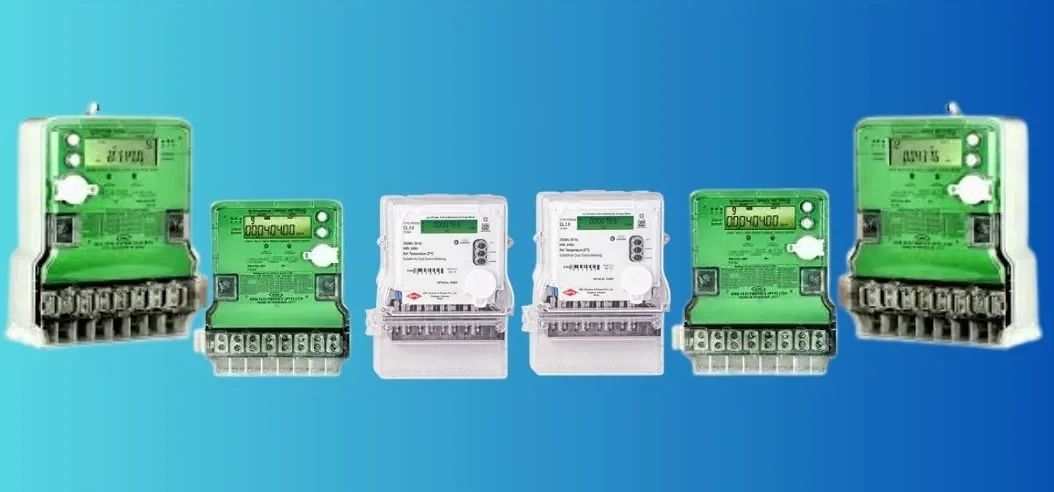
Solar power consumers across the Islamabad Electric Supply Company (IESCO) region have been left in shock after receiving electricity bills mandating the replacement of their existing green meters with Automatic Meter Reading (AMR) meters, at a staggering cost of Rs52,000 per unit. This controversial directive, affecting thousands of households that have already invested heavily in solar installations, has sparked widespread protests and raised fundamental questions about fairness, policy consistency, and the distribution of costs in Pakistan’s renewable energy transition.
There are compelling arguments for why IESCO should absorb the cost of this meter replacement program rather than passing it on to consumers. The primary beneficiary of AMR technology is IESCO itself, as confirmed by the company’s own officials and spokesperson. AMR meters eliminate the need for manual meter reading, dramatically reducing operational costs by removing the need to deploy meter readers to thousands of locations monthly, saving on personnel, transportation, and administrative expenses.
Beyond operational efficiency, IESCO has long struggled with electricity theft and technical losses, and AMR meters provide real-time monitoring capabilities that can immediately detect irregularities, unauthorized connections, and line losses, potentially saving the company millions of rupees annually in recovered revenue. The meters are essentially a business investment for IESCO that will pay for itself many times over through reduced theft and improved revenue collection. When infrastructure upgrades primarily benefit the service provider through enhanced efficiency, reduced operational costs, and theft prevention, the investment should logically be borne by that provider.
Moreover, solar net metering consumers have already made substantial investments in green energy infrastructure, purchasing green meters as part of their initial setup with IESCO’s approval and encouragement. These meters are often still under warranty and functioning perfectly, yet consumers are now being asked to pay again for replacement meters while IESCO retains their original equipment, adding insult to financial injury.
IESCO spokesperson Raja Asim clarified that this is a nationwide policy serving broader grid management and energy sector modernization goals, which further underscores that when upgrades serve national infrastructure objectives, the cost should not fall disproportionately on individual consumers who are already contributing to national energy goals through renewable generation. If the government wants to promote solar energy, it cannot simultaneously penalize those who’ve taken the initiative to install it.
If the government and IESCO remain unwilling to fully absorb the meter replacement costs, despite the compelling arguments, there is at minimum a fair compromise: adjust the Rs52,000 meter cost against the credit that solar consumers have built up with IESCO.
Many net metering consumers have accumulated significant credits by feeding surplus electricity back to the grid. These credits represent real value, electricity generated at consumer expense and consumed by others at IESCO’s benefit. Rather than demanding cash payment for new meters, IESCO could:
- Allow consumers to offset meter costs against their existing credits
- Provide installment plans deducted from future credit balances
- Offer a graduated payment scheme where the meter cost is spread over 6-12 months through bill adjustments
This approach recognizes that solar consumers are not merely customers but also producers who add value to the grid. It would demonstrate that IESCO views net metering as a partnership rather than a one-sided arrangement where consumers bear all risks and costs while IESCO reaps the benefits.
How Pakistan handles this AMR meter transition will send a powerful signal about its commitment to renewable energy and its treatment of citizen investors in national infrastructure goals.
The most equitable solution is clear: IESCO should bear the cost of meter replacement. The technology serves IESCO’s operational efficiency, reduces their losses, eliminates their manual reading costs, and enhances their grid management capabilities. These are business benefits that justify business investment.
At minimum, if cost-sharing is inevitable, meter expenses should be offset against consumer credits or spread over time through bill adjustments rather than demanded as lump-sum payments.
Solar adopters took a financial risk to reduce their dependence on the grid and contribute to Pakistan’s renewable energy targets. They deserve policy consistency, transparency, and fair treatment—not unexpected bills that undermine the economics of their green energy investments.
The government and IESCO now have an opportunity to demonstrate leadership by crafting a policy that respects consumer rights, encourages continued renewable energy adoption, and fairly distributes the costs of necessary infrastructure modernization. The credibility of Pakistan’s energy transition depends on getting this decision right.